

The fitness business model consists of adopting increasingly healthy consumption habits is a trend that, with increasing intensity, is imposing itself in today’s society
fitness sector points towards mainstreaming and strengthening its presence in other market segments.
The fitness market has been growing for a few years.
But it is indisputable that 2020 has generated an increase in business with reasonably significant growth due to the epidemic and confinement in many countries. We are at a critical moment to start a fitness business.
The concern for maintaining good health and active life has strengthened the fitness sector by providing new business ideas for entrepreneurs and transforming existing businesses.
Entrepreneurship
Table of Contents
Why Start a Fitness Business?
Gyms have been increasing their market and turnover in recent years. However, this year many physical centres will see their billing reduced given the health circumstances in which we currently live. New professionals and people who have already provided their services in centres and gyms have turned social networks into contact platforms with clients, offering different services.
In addition, people who previously did not use these services due to lack of time or money now bet on moving, feeling good, and taking care of their health, which means they demand more and more fitness services and products.
What is clear is that all has changed; we can no longer think of a physical business only; now, we have to innovate, offer differentiated products in the market, specialise, and adapt to the current client’s requirements. Now more than ever, you have the opportunity to start a profitable fitness business; yes, your mind has to change and think globally, where your central axis is the client.
Likewise, you must remember that training is an essential part of this constant adaptation process. You must have the ability to adapt to the changes that arise both at a professional level and a business level.
We are going with the keys for you to take action and start starting a fitness business as soon as possible.
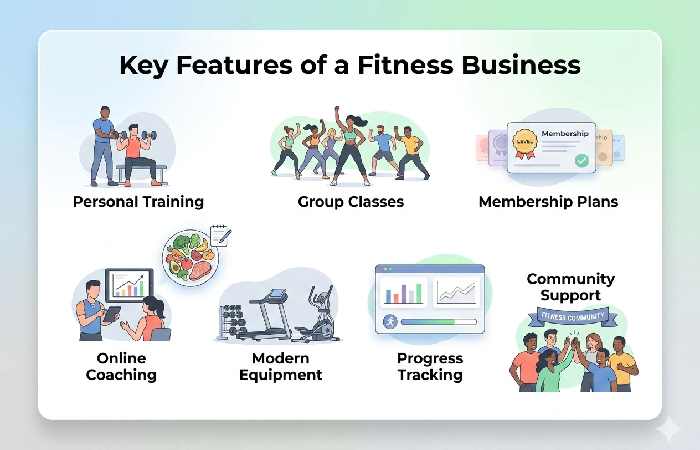
Key Features Of Fitness Business
Starting a fitness venture requires more than knowledge of health and exercise; learning how to build your business can help you develop a strong brand, attract customers, and create sustainable growth.

Define your Business Model to Start a Fitness Business
The first thing you should do is know what type of business you will create and how to make it profitable. If you think of only one of these two options, rest assured that your business will fail. You will assuredly find the one that fits your idea. We have already mentioned some business models on Instagram. We are also going to say them here so that you take them into account:
1. Online Group Training
They are online group training through streaming platforms. This type of business allows you to reduce the cost per class per student and increase your income, training more people from anywhere.
Revenue Model
- Monthly subscription: $20 – $60
- Drop-in class: $5 – $20
- Corporate packages: $500 – $2,000/month
Startup Costs
| Expense | Cost Range |
| Camera & Lighting | $300 – $1,500 |
| Microphone | $100 – $400 |
| Streaming Software | $20 – $100/month |
| Marketing | $300 – $1,000 |
| Website | $200 – $1,000 |
Total Initial Investment: $1,000 – $4,000
Profit Margin: 60–80% (very scalable)
2. Personal Training (Online + Offline Hybrid)
For fitness professionals interested in entrepreneurship, starting your own company can provide greater control over services, branding, business decisions, and long-term growth.
Offering this professional service is not just about providing a training plan to your client. Different customer needs to work on this type of business, such as food, exercise, relaxation, and motivation. Therefore, ensure you have the necessary training and knowledge to provide this service or seek an alliance with other professionals who complement you.
Average Pricing by Region
| Region | Per Session Price |
| USA | $50 – $120 |
| UK | £30 – £80 |
| Europe | €40 – €100 |
| India | ₹800 – ₹2,500 |
Monthly Client Value
- 3 sessions/week × 4 weeks × $70 average
= $840 per client/month
With 20 clients → $16,800/month revenue potential
3. Fitness Influencer Model
Being an influencer has been in fashion for some years, and because of the fitness boom, we can see how more influencers emerge on social networks, especially on Instagram. But, can it be a profitable business? Of course, it can be, although it requires a lot of quality content and creating a community with a good number of active followers with your account.
Revenue Sources
- Brand sponsorships: $500 – $20,000/post
- Affiliate commissions: 5% – 30%
- Selling programs: $30 – $200
- YouTube ad revenue
- Paid community groups
Follower Monetization Benchmark
| Followers | Monthly Income Potential |
| 10K | $500 – $2,000 |
| 50K | $2,000 – $8,000 |
| 100K+ | $10,000+ |
High competition but extremely scalable.
4. Fitness E-Commerce
Create an online store to sell Fitness products and accessories. Equipment, clothing, and supplements conduct a market study to evaluate the Fitness client’s purchasing trends. There are different ways to set up an online store: with your suppliers, through drop shipping, or through affiliate marketing.
Product Margins
| Product Type | Average Margin |
| Supplements | 30–60% |
| Apparel | 40–70% |
| Equipment | 20–40% |
| Digital Programs | 80–95% |
Setup Cost
- Shopify store: $39/month
- Inventory: $2,000 – $10,000
- Ads budget: $1,000 – $5,000
5. Membership Site Model
Create a subscriber club that the customer can join for free or by paying a fee: every month, every year, every quarter, Regularly.
Best long-term predictable income model.
Example Pricing
| Tier | Monthly Fee |
| Basic | $19 |
| Premium | $49 |
| VIP Coaching | $99 |
If you have:
- 500 members × $29 average
= $14,500/month recurring revenue
Make a Good Business Plan to Create a Profitable Business
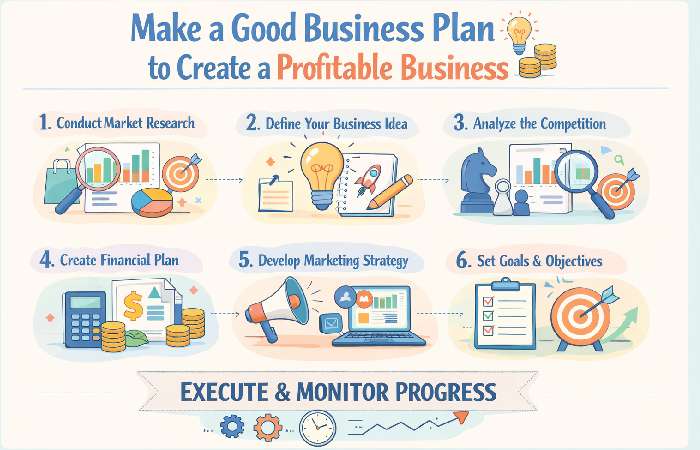
Having a clear idea is acceptable; however, executing it involves many more things than being excited about starting a business. Before jumping into the pool, you must create a business plan that allows you to visualise your business in the short and medium term.
For you to carry out a good business plan to start a fitness business, you must do the following:
- Perform a market analysis.
- Define your market segment.
- Choose a profitable business model.
- Analyze if you have the training and knowledge to implement it.
- Identify the tools or resources you need.
- Develop an economic-financial plan.
- Set your short and medium-term goals.
- Design a marketing plan.
Startup Cost Comparison
| Business Type | Low Budget | Medium | High-End |
| Online Coaching | $1,000 | $3,000 | $7,000 |
| Physical Studio | $30,000 | $80,000 | $250,000+ |
| Micro Gym | $15,000 | $50,000 | $150,000 |
| Fitness App | $10,000 | $40,000 | $150,000+ |
| Influencer Brand | $500 | $2,000 | $10,000 |
Marketing Strategy for Fitness Business
| Marketing Channel | Strategy Purpose | Monthly Cost (USD) | Tools / Resources | Expected ROI | Time to Results |
| SEO (Blog + Website) | Long-term organic traffic | $200 – $1,500 | Google Keyword Planner, Ahrefs, SEMrush | 5x–20x | 3–6 months |
| Instagram Marketing | Brand building + leads | $0 – $800 (ads extra) | Instagram, Canva | 3x–10x | 1–3 months |
| TikTok Organic + Ads | Fast audience growth | $0 – $1,500 | TikTok | 4x–12x | 1–2 months |
| YouTube Channel | Authority + passive leads | $300 – $2,000 | YouTube | 5x–15x | 3–6 months |
| Facebook & Instagram Ads | Lead generation | $500 – $5,000+ | Meta Ads Manager | 2x–6x | Immediate |
| Email Marketing | Retention + upsells | $30 – $300 | Mailchimp, ConvertKit | 30x–45x | 1 month |
| Influencer Partnerships | Social proof + exposure | $200 – $5,000 | Upfluence | 3x–8x | 1–2 months |
| Google Ads | High-intent clients | $500 – $3,000 | Google Ads | 2x–5x | Immediate |
| Referral Program | Low-cost client acquisition | $50 – $300 | In-house tracking / CRM | 10x+ | Ongoing |
| Affiliate Program | Performance-based sales | Commission 10–40% | ShareASale | 5x–15x | 1–3 months |
Competitors Of Fitness Business (Country-Wise)
United States – Top Fitness Competitors
| Competitor | Description | Typical Monthly Price (USD) | Resource / Link |
| Planet Fitness | Budget gym, “Judgement Free Zone”; widespread presence. | $15–$25 (Classic basic) / Black Card ~$24.99+ | https://www.planetfitness.com |
| Gold’s Gym | Legacy bodybuilding and mainstream training gyms. | ~$30–$80+ (varies by location) | https://www.goldsgym.com |
| Crunch Fitness | Mid-range franchised fitness clubs with classes. | ~$30–$70+ | https://www.crunch.com |
| F45 Training | Boutique HIIT group classes (Australia-origin but strong in US). | ~$150–$250 | https://f45training.com |
| Equinox | Luxury fitness + spa amenities | ~$200–$350+ | https://www.equinox.com |
Average U.S. gym membership cost sits around $50–$65/month overall with broad variance by segment.
United Kingdom – Key Competitors
| Competitor | Description | Typical Monthly Price (GBP) | Resource / Link |
| PureGym | UK’s largest no-frills gym chain. | ~£17–£40 (core/plus) | https://www.puregym.com |
| The Gym Group | Budget 24/7 gyms. | ~£13–£30+ | https://www.thegymgroup.com |
| David Lloyd Clubs | Premium gyms with pools & family amenities. | ~£100+ | https://www.davidlloyd.co.uk |
| Third Space | High-end boutique fitness + wellness club. | ~£300+/month | https://www.thirdspace.london |
| énergie Group | Franchise fitness clubs across the UK. | ~£30–£60+ | https://energiefitness.co.uk |
UK average monthly gym membership ~ £38 (~$46) — budget gyms much lower; premium much higher.
India – Top Fitness Competitors
| Competitor | Description | Typical Monthly Price (INR) | Resource / Link |
| cult.fit | Hybrid fitness + physical studios + app membership. | ~₹700–₹1,100/month (cultpass PRO/ELITE) | https://www.cult.fit |
| Gold’s Gym India | Traditional gym brand operating across cities. | ~₹4,000–₹9,000/month (premium) | https://www.goldsgym.in |
| Anytime Fitness | 24/7 access gym chain. | ~₹3,000–₹5,000+ | https://www.anytimefitness.in |
| Snap Fitness | International 24/7 gym chain. | Varies by city | https://www.snapfitness.com |
| Talwalkars | Well-known legacy fitness chain. | Varies by location | https://www.talwalkars.net |
Franchise investment ranges (India):
- Cult.fit franchise setup ~ ₹1–₹1.2 Cr
- Gold’s Gym franchise ~ ₹13–₹32 Cr
- Snap Fitness ~ ₹3–₹8 Cr
Prices vary widely depending on city and offerings (basic vs premium).
Australia – Leading Fitness Brands
| Competitor | Description | Typical Weekly Price (AUD) | Resource / Link |
| Anytime Fitness | Major global gym, strong presence in Australia. | ~$17/week (~$70/month) | https://www.anytimefitness.com.au |
| Viva Leisure / Club Lime / Hiit Republic | Mid-tier gyms nationwide. | ~$40–$80/week | https://www.vivaleisure.com.au |
| Fitness & Lifestyle Group (Fitness First, Goodlife, ZAP) | Multi-brand fitness operator. | ~$40–$100/week | https://flgfitness.com |
| F45 Training | Boutique, functional group classes. | ~$80+/week | https://f45training.com |
| Total Fusion | Boutique + high-end gym experiences. | Premium pricing | https://totalfusion.com.au |
Australia’s fitness market (~$3.9B) shows strong segmentation with both value and premium offerings.
Canada – Key Competitors
| Competitor | Description | Typical Monthly Price (CAD) | Resource / Link |
| GoodLife Fitness | Canada’s largest chain. | ~$37–$70+/month | https://www.goodlifefitness.com |
| Fit4Less | Budget gym chain (GoodLife sub-brand). | ~$20–$40/month | https://www.fit4less.ca |
| Anytime Fitness | International 24/7 brand. | ~$30–$70/month | https://www.anytimefitness.com |
| F45 Training | Boutique HIIT classes. | ~$150–$250/month | https://f45training.com |
Canada’s pricing tends to be slightly lower than US, with strong presence of budget and mid-tier gyms.
Summary — Monthly Pricing Range
| Country | Budget | Mid-Tier | Premium |
| USA | $15–$30 | $40–$80 | $150–$350+ |
| UK | £13–£30 | £40–£80 | £100–£300+ |
| India | ₹999–₹2,500 | ₹3,000–₹5,000 | ₹5,000–₹9,000+ |
| Australia | $60–$80/week | $80–$100/week | Boutique ~$100+/week |
| Canada | CAD $20–$40 | $40–$70 | $100+ |
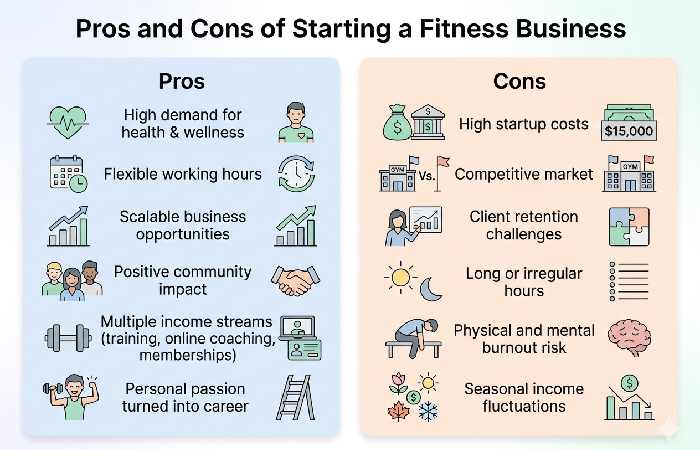
Pros And Cons Of Fitness Business
Reviews of Fitness Business (Industry-Wide Analysis)
Customer reviews play a critical role in the success of any fitness business. Whether it’s a gym, online coaching brand, boutique studio, or fitness app, public perception directly affects conversions, retention, and long-term growth.
Below is a comprehensive analysis of fitness business reviews across major global brands and business models — highlighting what customers consistently praise and criticize.
Budget Gym Chains
Example Brands:
- Planet Fitness
- PureGym
- The Gym Group
- Fit4Less
Common Positive Reviews:
- Affordable membership pricing
- 24/7 access convenience
- Clean basic facilities
- Non-intimidating atmosphere
- Easy sign-up process
Common Negative Reviews:
- Overcrowding during peak hours
- Limited staff support
- Upselling tactics
- Long cancellation procedures
- Equipment maintenance delays
Overall sentiment: Budget gyms score high for value-for-money but lower on personalized experience.
Premium & Luxury Fitness Clubs
Example Brands:
- Equinox
- David Lloyd Clubs
- Third Space
Common Positive Reviews:
- Premium equipment quality
- Spa & wellness facilities
- Professional trainers
- Cleanliness & ambiance
- Community atmosphere
Common Negative Reviews:
- High membership fees
- Contract lock-in complaints
- Extra charges for classes
- Crowding despite premium pricing
Overall sentiment: Premium gyms receive strong ratings for experience but face criticism over pricing transparency.
Boutique Fitness Studios
Example Brands:
- F45 Training
- Barry’s
- Orangetheory Fitness
Common Positive Reviews:
- High-energy group sessions
- Strong sense of accountability
- Visible fitness results
- Structured programs
- Motivating trainers
Common Negative Reviews:
- Expensive per-session pricing
- Intensity not suitable for beginners
- Limited class availability
- Injury complaints from high-intensity formats
Overall sentiment: Boutique studios are praised for results and community, but pricing and accessibility limit mass appeal.
Online Fitness & App-Based Businesses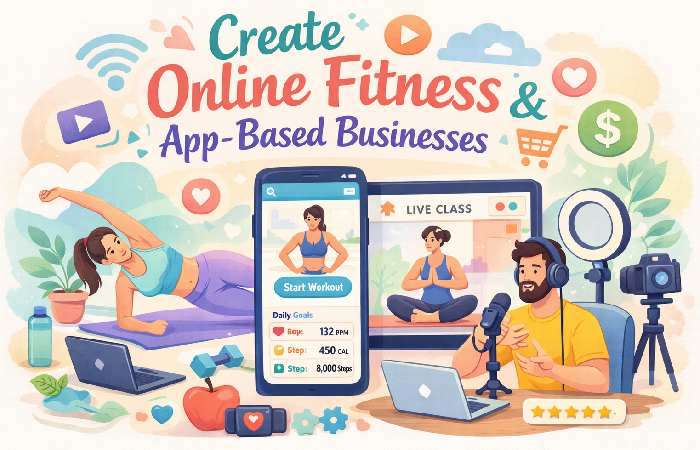
Example Platforms:
- Peloton
- Nike Training Club
- Centr
Common Positive Reviews:
- Convenience of home workouts
- Flexible schedules
- Lower cost than gyms
- Large workout libraries
- Personalization features
Common Negative Reviews:
- Subscription auto-renewal complaints
- Limited accountability vs in-person
- Technical glitches
- Generic training plans
Overall sentiment: Online fitness receives high ratings for flexibility and affordability but lower for personalized human interaction.
Common Themes Across All Fitness Business Reviews
Customer Service Determines Reputation
Businesses with responsive support teams consistently receive higher ratings, even if pricing is premium.
Transparency Reduces Negative Reviews
Hidden fees, unclear cancellation policies, and long-term contracts generate most 1-star reviews.
Cleanliness Is Non-Negotiable
For physical gyms, hygiene is one of the top review factors.
Results Drive Loyalty
Members who see measurable results leave positive reviews and referrals.
Community Matters
Whether online or offline, businesses that create belonging see stronger retention and better testimonials.
Conclusion
Fitness business is an excellent idea for a business. Nowadays, people are giving a lot of importance to Fitness. These are just some business model ideas that you can start in the Fitness business.