
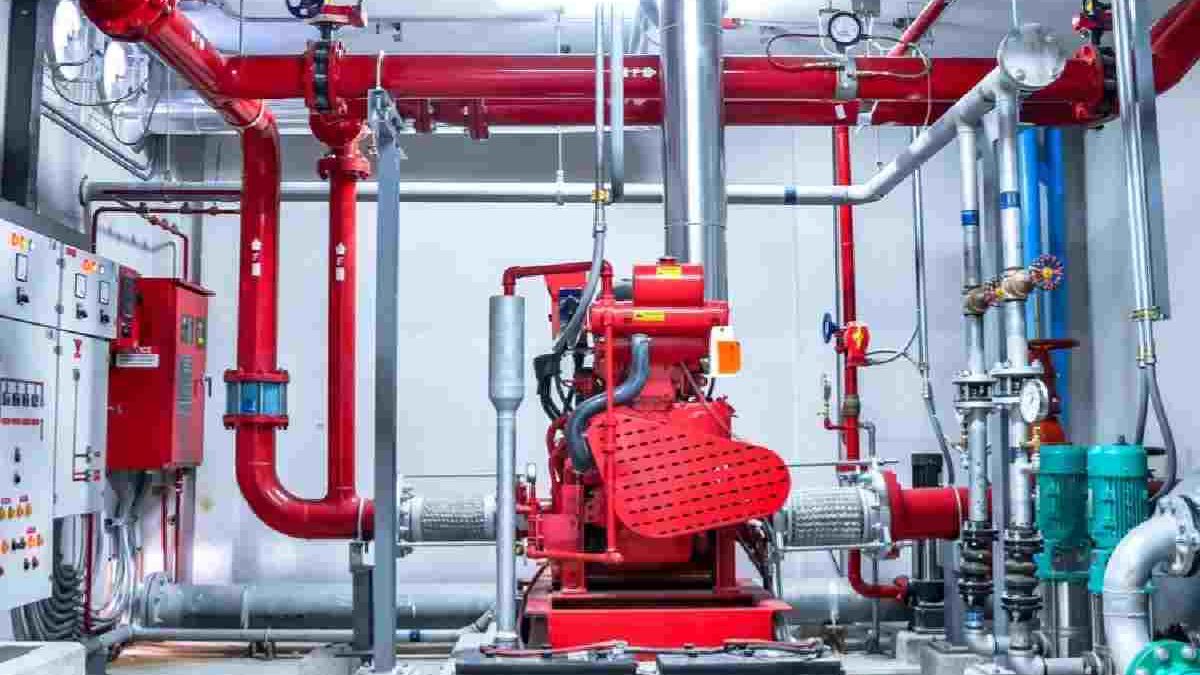
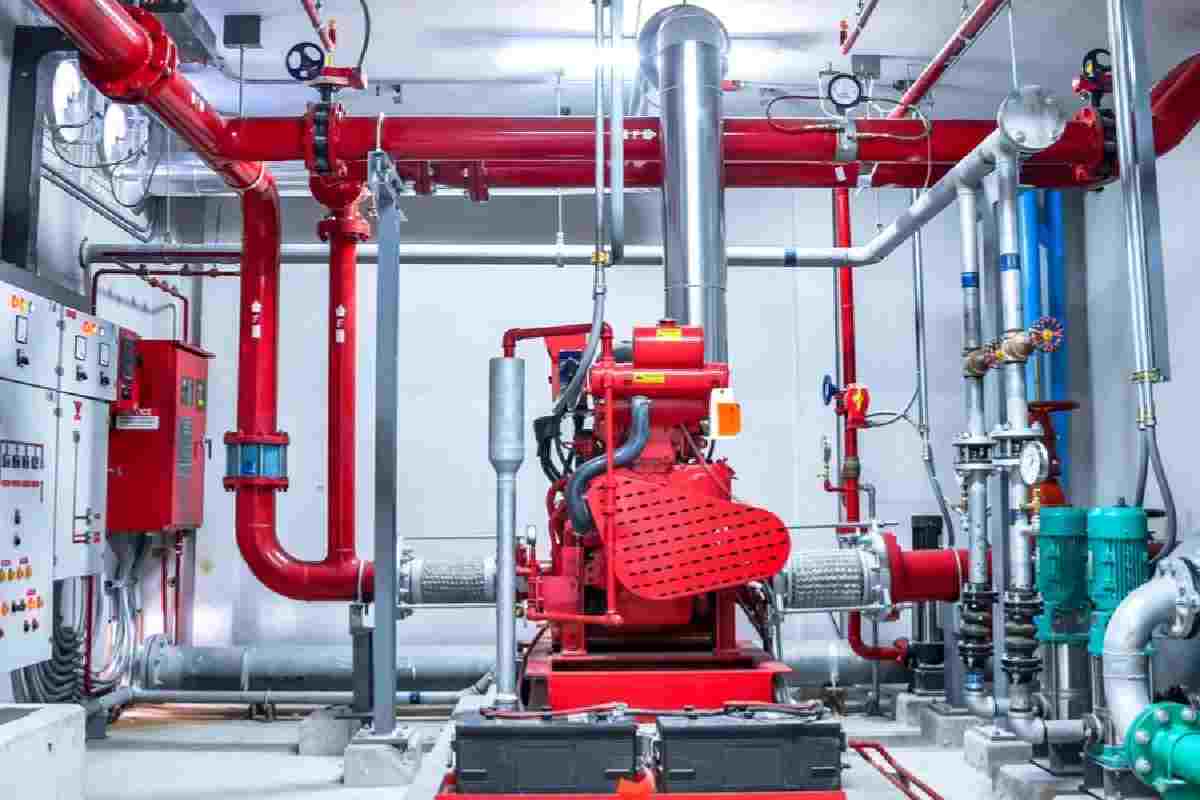
Fire control systems in buildings are designed to ensure the safety of residents and prevent fire damage. They can be passive or active and must work together to role correctly.
The essential fire safety requirements are detecting a fire in its early stages or developing. Notifying residents through fire alarms, and providing safe escape routes.
Table of Contents
What Are Smart Fire Control Systems?
Smart fire control systems are basically the brainy upgrade to your building’s fire defenses, wired with IoT sensors that chat in real-time to catch hazards before they blow up. Think networks of smoke sniffers, heat trackers, and gas detectors linked to a central hub—spotting smoke in the basement or a wiring glitch upstairs, then pinging alerts to your app or the fire department. I’ve seen these in action at a friend’s office retrofit; one sensor glitch, and the whole system flagged it for a quick fix, no drama.
At their core, these systems pull from IoT fire detection tech like Zigbee or LoRaWAN for low-power, long-range vibes, feeding data to cloud dashboards for analysis. In 2025, they’re not just alarms—they integrate with building automation systems (BAS) to tweak HVAC flows or lock doors automatically. From MDPI’s fresh research, BIM-IoT combos in residential designs cut response times by modeling fire spread on the fly, making evacuations smarter and less chaotic.
What seals the deal? Scalability. Start with a few sensors in high-risk spots like kitchens or electrical rooms, scale to full-building coverage. No more blind spots; it’s like giving your structure a sixth sense for flames.
How IoT Powers Fire Detection in Buildings
IoT flips fire detection from “wait and see” to “spot and stop,” using a web of sensors that monitor air quality, temps, and even vibrations 24/7. In my tinkering with a home setup, a simple NodeMCU board linked to smoke and flame sensors sent push alerts faster than I could grab the extinguisher—proving how IoT environmental monitoring nips issues in the bud.
These systems shine with multi-sensor fusion: One catches smoke particles, another heat spikes, and a third gas leaks, cross-checking to slash false alarms by up to 40%, per Impact Fire’s breakdowns. Cloud platforms like those from Chubb’s CLSS crunch the data, spotting patterns—like overheating in a warehouse corner—and firing off geo-fenced warnings to nearby staff. For high-rises, NFire’s wireless IoT alarms use BLE for pinpoint alerts, guiding folks via app maps.
The real magic? Predictive analytics. GAO Tek’s Z-Wave integrations forecast risks from historical logs, like flagging a dusty vent prone to sparks. It’s not sci-fi; it’s saving lives daily in smart cities.
Smoke Detectors
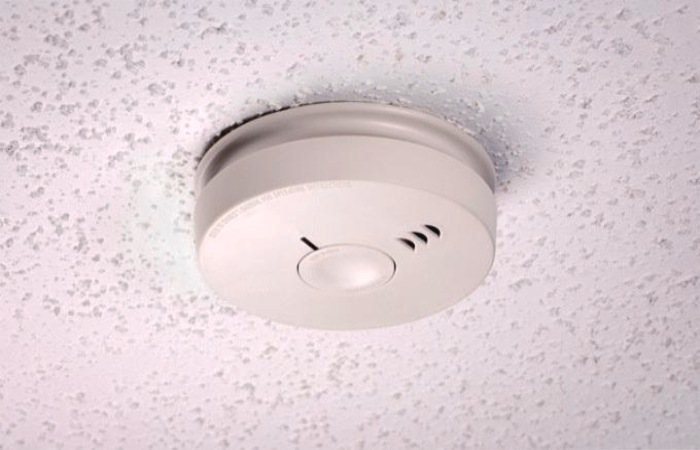
Smoke detectors are vital to any building’s fire protection system and provide early warning of fires. They also help alert residents to smoking-related emergencies so they can quickly leave their homes or call for help.
You can choose between different types of smoke detectors depending on your needs. One variety, called an ionization smoke detector, uses a small amount of radioactive material to ionize the air. The smoke then interrupts the flow of electricity between the two opposing charge plates, setting off an alarm. The National Fire Protection Association recommends installing at least one smoke alarm on every floor of your home, including the basement. Having a sensor outside of each room is also a good idea.
You can decide whether the detectors should be permanently connected or battery-powered. Both work, but the wired models are more reliable and even come with a backup battery to ensure they continue to work in the event of a power outage.
Whether you choose battery-powered or wired smoke alarms, check their operation and maintenance regularly. It contains pressing the test button monthly, vacuuming them annually or sooner if needed, and replacing batteries yearly unless they have a long-life non-replaceable battery.
Fire Sprinklers
A fire suppression system is designed to prevent a fire before it causes damage and death by using water to quickly stop the spread of flames. There are different sprinkler systems, each suitable for a specific type of building.
The sprinkler head is an element of the sprinkler system that, when activated, sprays water onto the fire. They are available in various designs with different spray patterns and sizes to suit your building.
Sprinkler heads typically consist of a glass bulb or two-piece fusible element held together by a fusible alloy that expands when heated by hot gases generated during a fire. This pressure bursts the bulb, and the plug emits a jet of water directly onto the fire.
These systems are highly effective at extinguishing fires because building sprinklers operate 91% of the time and reduce fatalities and property damage by 65%. It makes them a valuable and indispensable part of fire protection that every entrepreneur should consider.
When installing a sprinkler system, consider the protected building type, local code. And the items that may be stored in the structure.